

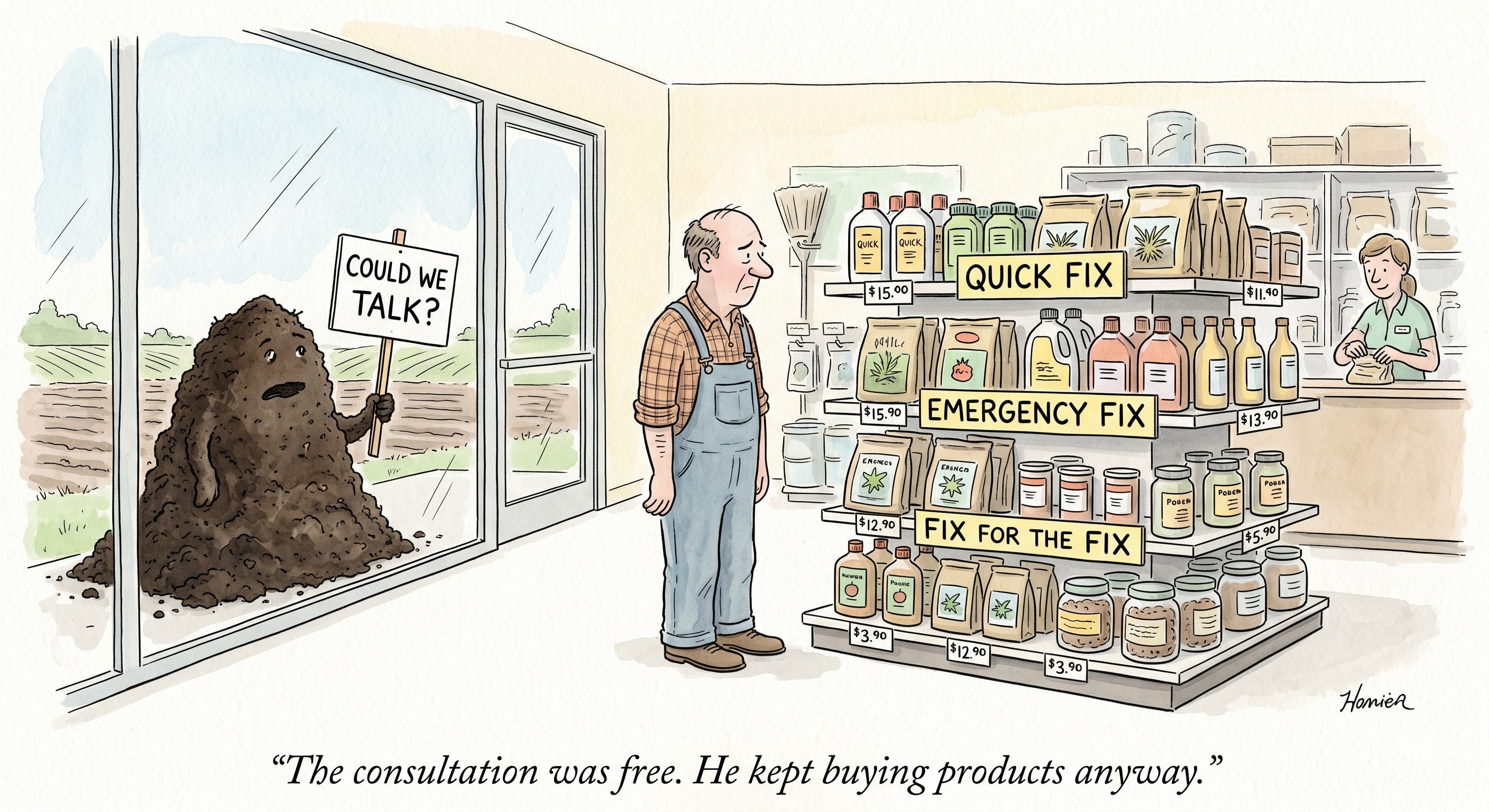
Most people see weeds and ask one question:
How do I kill or get rid of this?
But what if that is the least interesting question?
A dandelion in compacted ground is not just a dandelion.
A patch of clover in tired pasture is not just clover.
Horsetail in a wet corner is not just an annoyance with prehistoric branding.
These plants are messages.
They are the land writing back.
For years, I thought weeds were proof that something was wrong with my management. Eventually, I realized they were often proof that the land was trying to fix something I had not yet learned how to see.
That shift changed everything.
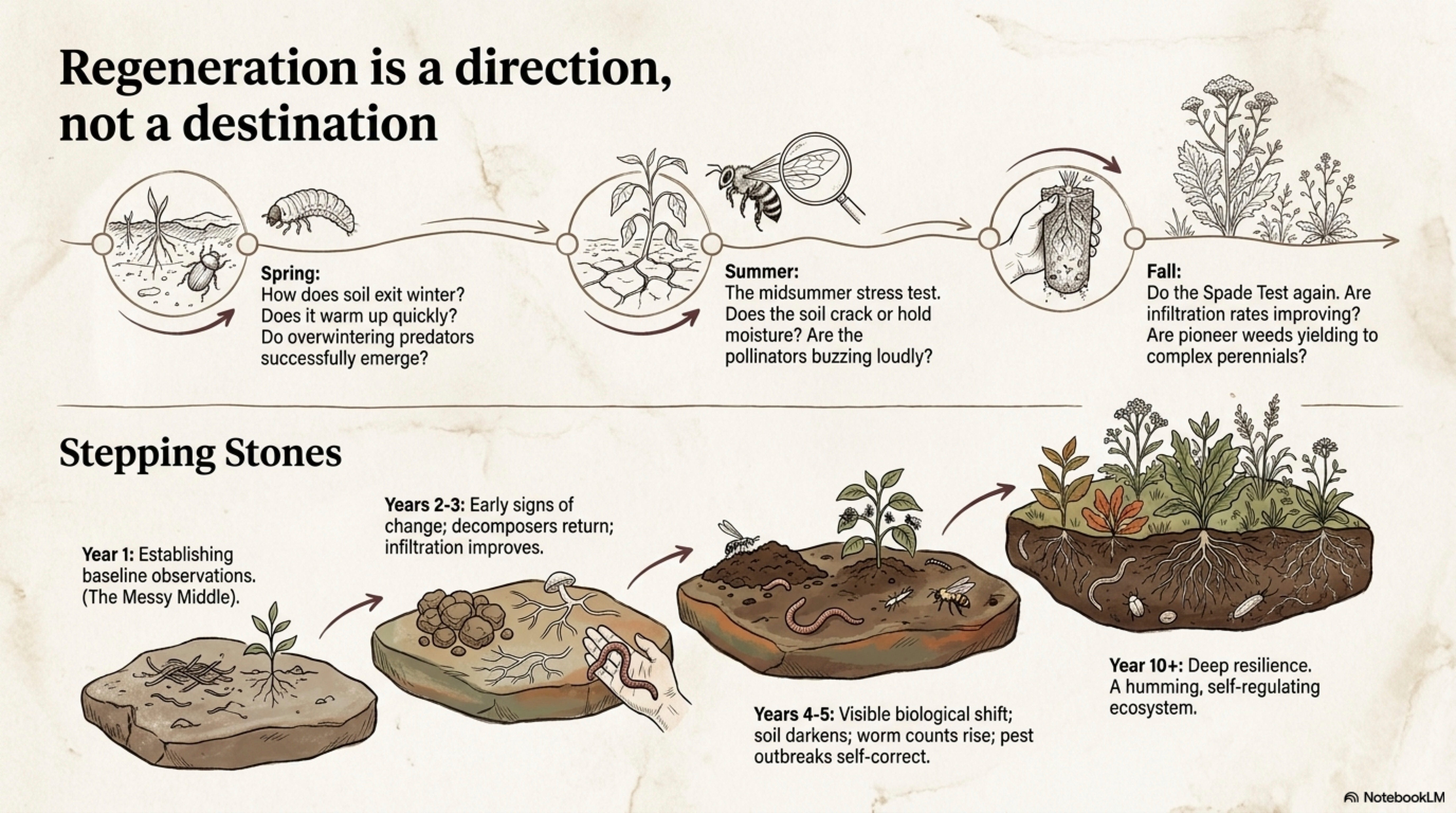
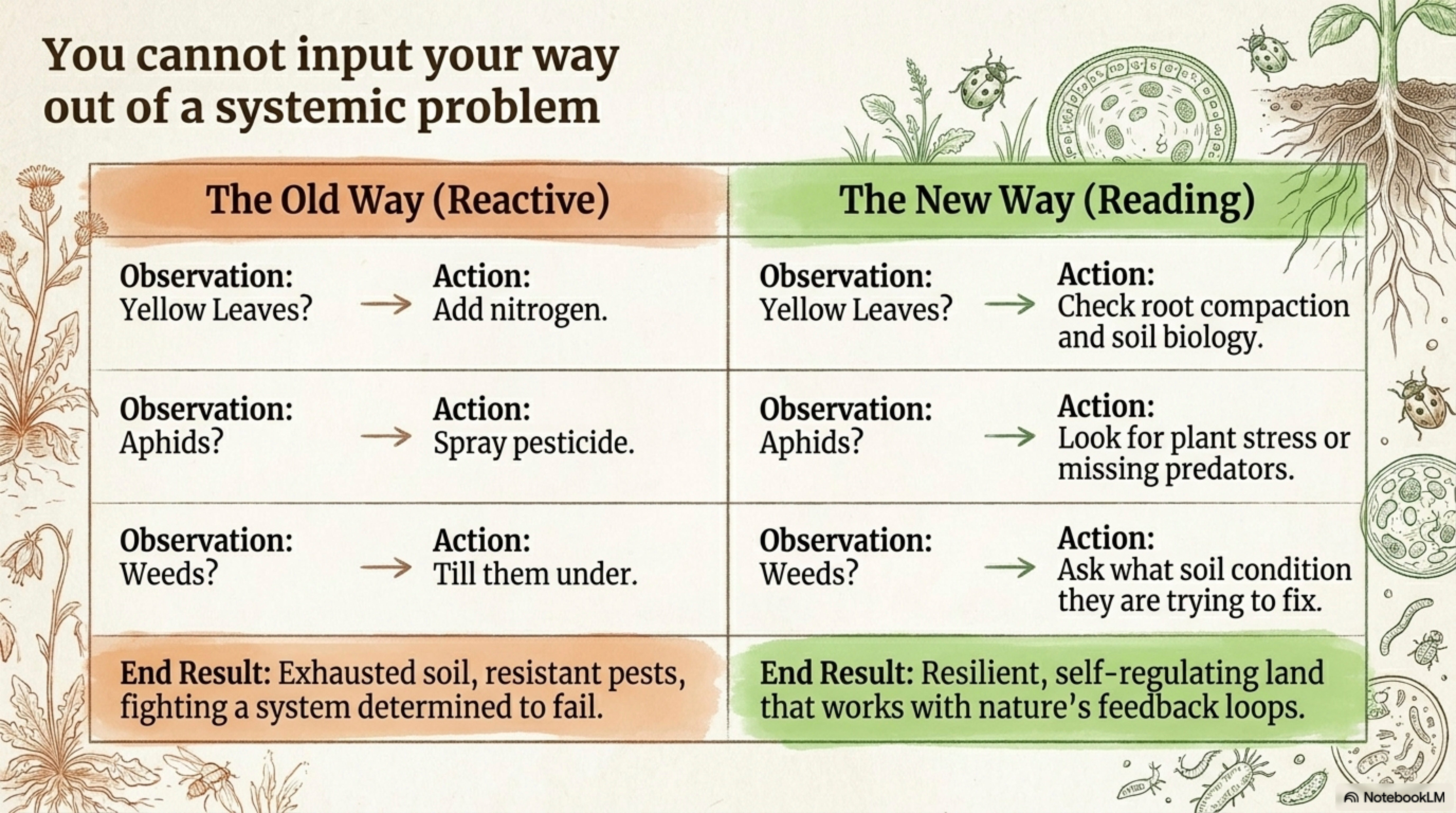
Instead of reacting, I started reading.
Instead of reaching first for inputs, I started asking better questions.
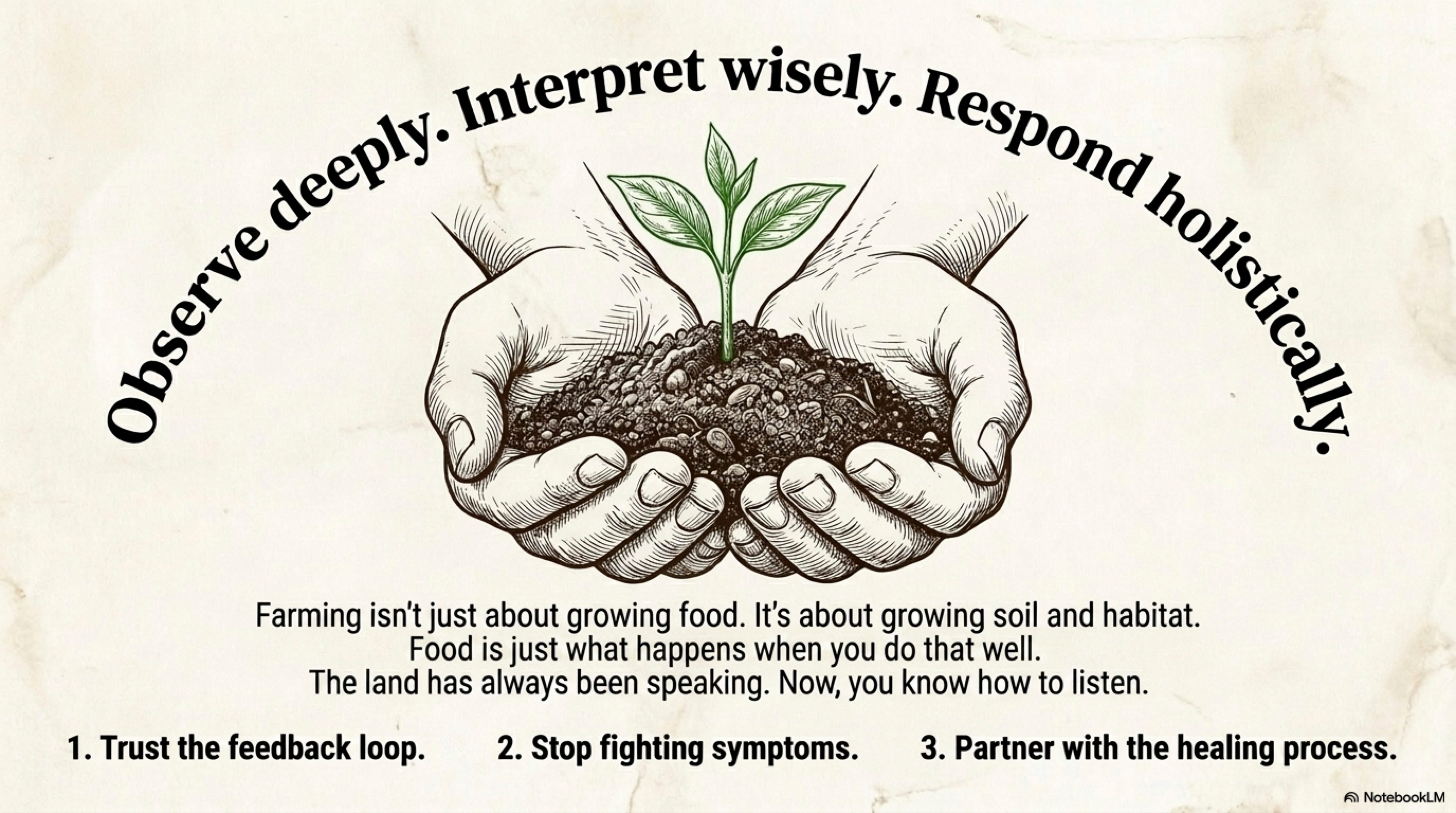
Instead of fighting the land, I started listening to what it was already trying to do.
That is why I wrote Reading the Land.
It is not a book about memorizing weeds.
It is a guide to learning nature’s language.
So the next time a weed shows up where you did not invite it, pause before you curse it.
It may be the first honest sentence your soil has spoken all season.
Paid subscribers already have full access on Substack.
There’s a standalone digital version on Gumroad.
And if you want the real thing, the one you can carry outside, the paperback is now available on Amazon.
Question:
What “weed” on your land might actually be trying to tell you something or you are struggling to understand?
I purchased a hard copy of your book and learned a great deal. It really helped to shift my mindset and thinking regarding weeds and soil health. I used to think weeds were just plants growing in the “wrong place”. I realize now they are growing exactly where they are supposed to and in conditions ideally suited for them. Thank you for the education!
Thank you! Ordered my hard copy today. Master Gardner Leslie prompted me to learn what the weeds tell us about our Community Garden