

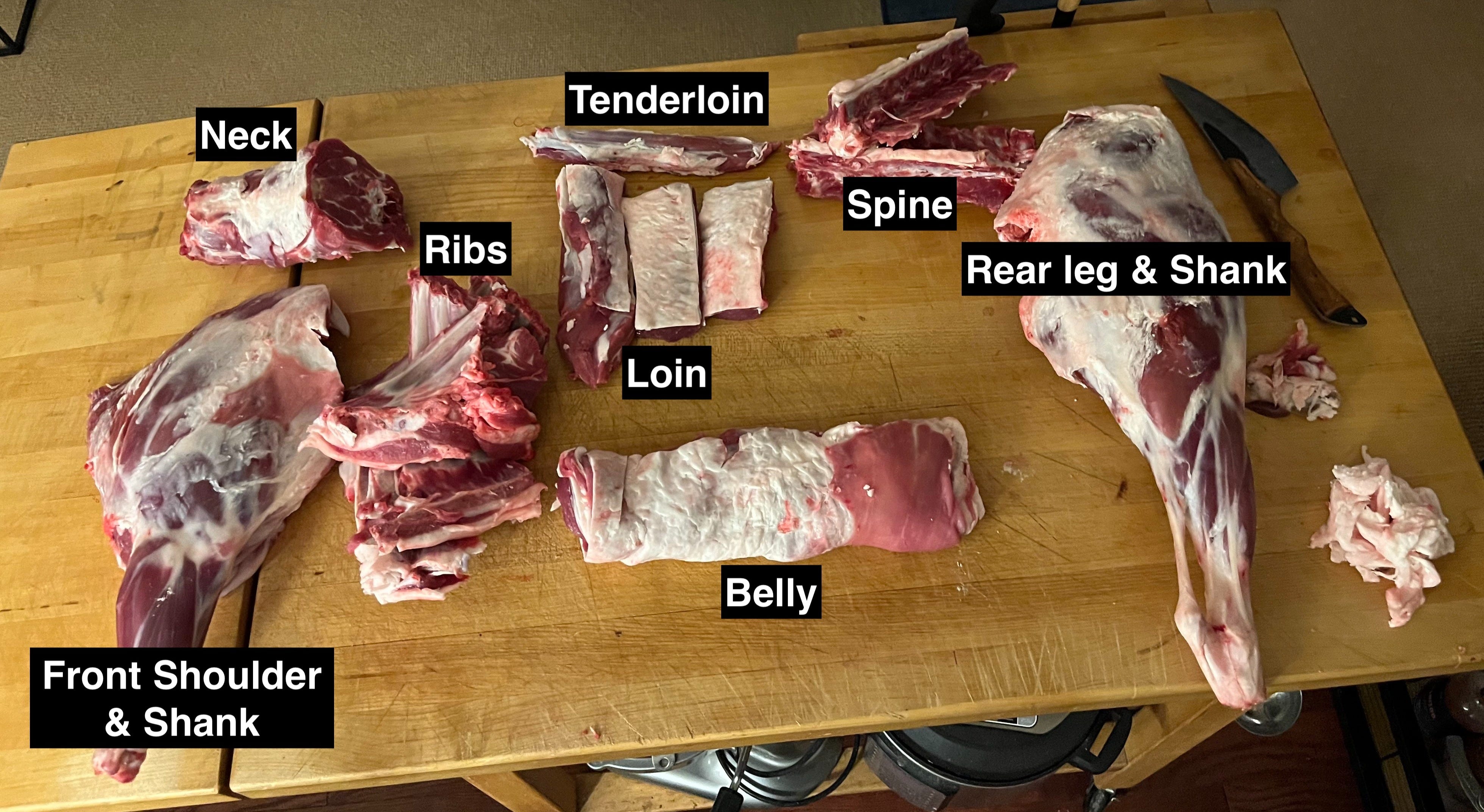
Cooking Tips
Neck
Slow Braising: When braising, aim for a tightly covered pot to keep moisture in, and consider adding a splash of red wine or tomato paste for extra depth. For a richer sauce, remove the lid for the last 30 minutes to allow the liquid to reduce.
Slow Roasting: For even more tender meat, marinate the neck overnight with olive oil, garlic, and herbs before roasting. This cut is ideal for shredding into stews or as a filling for tacos or sandwiches.
Front Shoulder & Shank
Slow Roasting: Adding a bit of lemon zest to the rub can brighten the flavors. Tent the meat with foil for the first few hours to prevent drying, and uncover near the end for a caramelized exterior.
Braising: For a heartier dish, add root vegetables like parsnips and turnips halfway through the cook time. A dash of balsamic or a spoonful of honey balances the richness.
Smoking: Consider wrapping the meat in butcher paper or foil during the last few hours to lock in moisture, especially if it’s drying out. A final spritz of apple cider vinegar or juice before serving adds acidity that balances the smoky flavor.
Ribs
Grilling: Use indirect heat when grilling to avoid charring, which can occur quickly due to the fat content. After grilling, let the ribs rest for 5-10 minutes to reabsorb their juices.
Roasting: Place a pan of water in the oven to create steam, which can help prevent the ribs from drying out. For a smoky finish, briefly broil on high or use a handheld kitchen torch.
Barbecuing: Try a glaze of honey and mustard during the final minutes of grilling for a tangy, caramelized layer. This cut pairs well with fresh herbs like mint and parsley.
Tenderloin
Pan-Searing: Rest the tenderloin for at least 5 minutes before slicing to keep it juicy. Adding a few drops of balsamic or sherry vinegar just before serving enhances its natural richness.
Grilling: To prevent overcooking, check the tenderloin's internal temperature with a meat thermometer, aiming for around 125°F for medium-rare.
Tartare: Chill the meat before chopping to achieve clean cuts. A small amount of finely chopped chives or parsley adds freshness to balance the rich flavors.
Loin
Grilling: To avoid flare-ups, trim any excess fat, but leave a thin layer for flavor. Serve with a simple, bright side, like arugula salad or roasted cherry tomatoes, to complement the richness.
Roasting: For extra flavor, add a thin layer of Dijon mustard to the loin before adding the crust. Let it rest for 10 minutes after roasting to allow the juices to redistribute.
Pan-Searing: Sear with the fat cap side down first to render the fat and prevent it from becoming chewy. Finish with a squeeze of lemon or drizzle of pesto.
Spine
Bone Broth: For a richer broth, consider roasting the bones with a small tomato or a few garlic cloves for added depth. Add fresh herbs in the last hour of simmering for a vibrant finish.
Soup Garnish: Add a pinch of sea salt and herbs like parsley or thyme during the last 15 minutes of simmering for added flavor.
Rear Leg & Shank
Slow Roasting: To achieve pull-apart tenderness, baste the meat every hour with pan juices or stock. Try adding root vegetables and whole cloves of garlic for a complete, flavor-packed meal.
Braising: Consider using a combination of red wine and broth for added complexity. A handful of fresh thyme or sage during the last hour of cooking adds an herbal note.
Grilling: Let the marinade penetrate for at least 4 hours (or overnight) for deeper flavor. For extra juiciness, brush with melted butter in the final minutes on the grill.
Belly
Slow Roasting: Belly benefits from slow, steady cooking to render the fat fully. For added flavor, brush with a honey-mustard glaze in the last 30 minutes.
Stuffing & Rolling: To make rolling easier, chill the belly slightly after stuffing. Truss tightly with butcher’s twine to help it keep its shape while cooking.
Grilling: Start on indirect heat to render the fat, then finish over direct heat to crisp the surface. Thinly slice to serve and pair with a zesty salsa verde or chimichurri.
Sausage: To enhance texture, let the sausage mixture chill for at least an hour before forming. Serve with crusty bread, or add to pasta for a flavorful twist.
These tips will help you bring out the best textures and flavors in each lamb cut, enhancing the natural qualities of the meat with each method.
If you would like to take your cooking to another level that nourishes the body and mind, continue reading the following guide.
The Holistic Lamb Guide: A Seasonal and Elemental Culinary Journey
Embark on a journey that harmonizes cooking with nature’s rhythms. This guide is more than a collection of recipes—it’s a path to connect with the deeper energy of each season, infusing your meals with warmth, renewal, cooling lightness, and grounding nourishment.
Overview
This guide provides a roadmap to:
Seasonal Focus: Each season brings unique energy, calling for specific foods, flavors, and cooking techniques that nourish us through seasonal changes.
Elemental and Dosha Balance: By incorporating principles of Ayurveda and Traditional Chinese Medicine (TCM), we align each dish with the elemental needs of Earth, Water, Fire, Metal, and Wood and balance the Ayurvedic doshas: Vata, Pitta, and Kapha.
Herbal and Medicinal Enhancements: Discover how herbs enhance each dish, fostering a sense of harmony, aiding digestion, and deeply nourishing the body.
Winter: Warming and Grounding (Earth and Water Elements)
In the cold and quiet of winter, our bodies need warmth and grounding to build resilience. Slow-cooked meals with warming spices are ideal, providing deep nourishment and soothing comfort.
Cuts: Neck, Shoulder, Shank
Best Cooking Methods: Slow braising, roasting, and bone broth to extract nutrients and support winter’s inward energy.
Ayurvedic Dosha: Vata and Kapha benefit from the warmth, making this season ideal for warming, grounding foods that counteract coldness and fatigue.
TCM Element: Earth and Water, which focus on Kidney and Spleen health to fortify energy reserves and endurance.
Recipe Inspiration: Braised Lamb Shank with Root Vegetables and Warming Herbs
Ingredients:
Lamb Shank: Rich in collagen, slow-braised to release nutrients that support joint and skin health.
Warming Spices: Ginger, cinnamon, turmeric, and black pepper aid circulation, energizing the digestive fire (Agni) and countering winter’s chill.
Root Vegetables: Carrots, parsnips, and sweet potatoes provide grounding Earth energy and essential vitamins.
Herbal Enhancements: Bay leaves, thyme, and rosemary fortify immunity, while goji berries and angelica root nourish blood and Yin, grounding winter’s introspective energy.
Cooking Tip: Slow-braise at 300°F for 4 hours, allowing the collagen to melt, yielding a restorative, velvety broth.
Nutritional and Medicinal Benefits:
Circulatory and Joint Support: Ginger, turmeric, and cinnamon promote circulation, keeping winter’s cold at bay.
Blood and Yin Nourishment: Goji berries and angelica root replenish and support vitality.
Grounding and Stability: Root vegetables and slow-braised lamb anchor and calm, promoting balance and warmth.
Spring: Cleansing and Uplifting (Wood Element)
Spring is a season of rebirth, inviting us to cleanse and renew. Lamb cuts are lighter, fresh herbs and greens are added, and preparations focus on clarity and rejuvenation.
Cuts: Tenderloin, Loin
Best Cooking Methods: Light grilling, pan-searing, and gentle braising to match the freshness of spring.
Ayurvedic Dosha: Balances Kapha by lightening the heaviness accumulated in winter, especially beneficial for liver and kidney health.
TCM Element: Wood, supporting liver health, aligning with spring’s detoxifying energy.
Recipe Inspiration: Grilled Lamb Tenderloin with Mint and Parsley Chimichurri
Ingredients:
Lamb Tenderloin: A tender cut, ideal for quick, gentle cooking that nourishes without heaviness.
Detoxifying Marinade: Lemon juice, olive oil, and rosemary aid digestion, balancing Kapha’s damp, heavy qualities.
Herbs: Mint and parsley in the chimichurri cool and cleanse, lifting the dish with fresh brightness.
Seasonal Sides: Lightly sautéed dandelion greens and asparagus, supporting liver detox.
Cooking Tip: Grill tenderloin over medium-high heat for 3-4 minutes per side, and finish with a zesty chimichurri made from parsley, mint, and apple cider vinegar.
Nutritional and Medicinal Benefits:
Liver and Digestive Support: Dandelion greens and parsley promote bile flow, supporting natural detoxification.
Kapha-Balancing Lightness: Lemon juice and mint lighten the dish, refreshing the body as it prepares for new growth.
Digestive Clarity: Rosemary and lemon stimulate Agni, creating warmth that complements protein-rich lamb.
Summer: Light, Cooling, and Energizing (Fire Element)
Summer’s heat calls for meals that energize and refresh without overheating. Lighter lamb cuts are paired with cooling sides and hydrating ingredients, maintaining vitality in the season’s warmth.
Cuts: Ribs, Loin
Best Cooking Methods: Grilling, quick roasting, and broiling to keep preparations light and fast.
Ayurvedic Dosha: Pitta is pacified with cooling herbs and gentle cooking methods to avoid internal heat build-up.
TCM Element: Fire, promoting Heart health and circulation, balanced with cooling, hydrating foods.
Recipe Inspiration: Grilled Lamb Ribs with Mint-Cucumber Yogurt Sauce
Ingredients:
Lamb Ribs: Grilled with cumin, coriander, and a touch of cinnamon, adding warmth without overheating.
Cooling Yogurt Sauce: Yogurt, cucumber, and mint bring refreshing coolness, making it Pitta-friendly.
Herbal Garnish: Fresh lemon balm and cilantro enhance the cooling, hydrating quality.
Cooling Sides: Tomato and cucumber salad with fennel keeps the dish light and fresh.
Cooking Tip: Grill ribs over medium heat, turning occasionally for even cooking, and serve with yogurt sauce to balance the dish’s warmth.
Nutritional and Medicinal Benefits:
Pitta Balancing: Cooling cucumber and yogurt calm Pitta, preventing overheating.
Hydration and Digestion: Fresh vegetables offer hydration, while cumin aids digestion, keeping you refreshed.
Heart Health and Lightness: Lemon balm and mint support circulation, aligning with Fire’s vibrant energy in summer.
Autumn: Nourishing, Moistening, and Immunity-Building (Metal Element)
As the air turns dry and crisp, autumn brings a focus on moistening foods that protect against dryness and build immunity. Slow-cooked lamb dishes nourish deeply, aligning with autumn’s need for warmth and grounding.
Cuts: Belly, Rear Leg & Shank
Best Cooking Methods: Slow roasting, stewing, and braising to enhance moisture and depth.
Ayurvedic Dosha: Vata needs the warmth and moisture of autumn’s nourishing foods to combat seasonal dryness.
TCM Element: Metal, emphasizing lung and large intestine health, focusing on moistening to counter dryness.
Recipe Inspiration: Slow-Roasted Lamb Leg with Apples and Thyme
Ingredients:
Lamb Leg: Slow-roasted to coax out rich flavors and moisture, supporting immunity.
Immunity-Building Spices: Thyme, sage, and a touch of cloves, ideal for lung health and autumn’s dry air.
Moistening Additions: Apples and apple cider vinegar bring moisture and harmonize with lamb’s natural sweetness.
Grounding Sides: Roasted winter squash and mushrooms nourish and ground.
Cooking Tip: Roast at 300°F for 4-5 hours, letting flavors meld as the lamb reaches tender perfection. The apples add gentle sweetness and balance.
Nutritional and Medicinal Benefits:
Lung and Immune Support: Thyme and sage protect against colds, aligning with autumn’s immune focus.
Moistening Yin Energy: Apples, squash, and mushrooms counteract dryness, supporting respiratory and digestive health.
Grounding and Nourishing: These autumn flavors bring comfort and balance, fostering stability as we prepare for winter.
Creating a Truly Holistic Experience
Mindful Preparation: Take time to engage in each step with care and awareness. Mindful cooking enhances the nourishing energy of each meal.
Serve with Seasonal Teas: Complement each dish with seasonally appropriate teas: ginger or chai for winter, detoxifying dandelion for spring, refreshing mint for summer, and calming chamomile or licorice root for autumn.
Gratitude and Connection: Honor the journey of each ingredient, from lamb to herbs, fostering a sense of gratitude and connection. This mindful approach nourishes both body and spirit.
Following this holistic approach to cooking lamb provides a deep sense of balance and fulfillment, transforming each meal into a nurturing experience that aligns with nature’s own cycles. Embrace this journey as a way to harmonize with the changing seasons, bringing warmth, lightness, cooling refreshment, and grounding to your table year-round.
This guide unites the wisdom of Ayurveda, TCM, herbal medicine, and seasonal and elemental perspectives, providing a complete, balanced approach to enjoying lamb year-round. This is more than just a meal—it’s a nourishing experience that aligns with nature and the body’s needs.